What Is NTAG213? Differences Between Original NXP and Alternative NFC Chips
Short answer: NTAG213 is NXP's NFC tag chip read by phones (144 bytes of user memory, NFC Forum Type 2). NTAG® is a trademark of NXP B.V.; chips from manufacturers other than NXP are alternatives and may not have all the same features. Our standard NFC cards use an alternative chip; a card with an original NXP NTAG213 chip is in the procurement stage.
NFC cards that open a link when tapped on a phone are often called "NTAG213 cards" in the field. However, NTAG® is not the name of a chip type but a registered trademark of NXP Semiconductors (NXP B.V.). In this guide we explain the original NXP NTAG213 chip, how it differs from alternative NFC chips, and which card you should choose for your project.
What is NTAG213?
NTAG213 is an NFC tag chip in NXP's NTAG 21x family. According to the technical documents published by NXP, the original NTAG213:
- works at 13.56 MHz with ISO/IEC 14443 A and is defined as an NFC Forum Type 2 tag;
- has 144 bytes of user memory (in the same family, NTAG215: 504 bytes, NTAG216: 888 bytes);
- carries a 7-byte unique identification number (UID);
- includes 32-bit password write protection, an NFC counter and an originality signature digitally signed by NXP.
These features apply to NXP's own chip; not every card called by the same name has all of them.
Who owns the NTAG trademark?
NTAG is a registered trademark owned by NXP B.V. According to NXP's trademark guidelines, this name describes products made by NXP or produced under NXP licence. Selling a card that carries another manufacturer's chip under the name "NTAG213" may give the buyer the impression of having bought an original NXP product.
What is an alternative NFC chip?
Alternative NFC chips are chips made by manufacturers other than NXP for NFC tags to be read by phones. Many are designed to let a phone read a short link such as a web link, digital business card or menu. However, memory capacity, UID structure, additional features such as password and counter, durability values and the originality signature vary from manufacturer to manufacturer, and even from model to model. This information can only be verified through the chip manufacturer's technical document and testing.
Differences between the original NXP chip and an alternative chip
| Original NXP NTAG213 | Alternative NFC chip | |
|---|---|---|
| Manufacturer | NXP Semiconductors | A manufacturer other than NXP |
| Trademark | NTAG® (NXP B.V.) | Not NTAG |
| Reading a link with a phone | Yes | Usually yes; should be tested depending on the phone and chip model |
| Memory (user) | 144 bytes | Depends on the chip model |
| Password, NFC counter | Yes | Depends on the chip model; may not be present |
| NXP originality signature | Yes; can be verified with NXP's TagInfo app | No NXP signature is verified |
| On our site | Not in stock yet – in the procurement stage | Blank, single-sided and double-sided printed NFC cards |
Which chip do our cards have?
Our standard NFC cards (blank, single-sided printed, double-sided printed and set) use an alternative NFC chip; these cards are not NXP products and are not sold under the NTAG trademark. Until the chip's manufacturer and model are verified, we do not give definitive values for memory capacity, tag type or additional security features.
What does an "NTAG213 compatible" card mean?
Cards with alternative NFC chips are often sold on the market as "NTAG213 compatible". This expression usually means that the card can be read by a phone like NTAG213; it does not show that features such as memory capacity, password, counter or originality signature are the same, and it is not the name of a certification. That is why we call our alternative-chip cards "NFC cards"; we do not use the expression "NTAG213 compatible" unless it has been verified with the chip's technical document and tests.
Which card is right for you?
- Digital business card, Google review, menu, Wi-Fi or social media link: if the aim is to have a phone open a short link, our standard NFC cards are sufficient. First try a few cards on your own phones.
- If your application verifies the originality signature or the NXP chip (product authentication, anti-counterfeiting, special software): an original NXP chip is required. The card with NTAG213 chip (original NXP) is not in stock yet and is in the procurement stage; message us on WhatsApp for information.
- Payment, turnstile and door access systems: these systems mostly work not with NFC tags but with their own card type; it should not be assumed that any NFC card will work in these systems. If your system is 125 kHz, see proximity cards; if it requires an ISO/IEC 14443 A card, see 13.56 MHz RFID cards; find out the card type from your system provider.
How do I find out a card's chip?
An NFC app such as NXP's TagInfo reports the chip manufacturer and type when you scan the card with your phone; on original NXP chips it also checks the originality signature. When buying cards, ask your supplier for the chip manufacturer and model in writing.
Locking and writing the link
A card can be locked after it is written; the content of a locked card can never be changed again. If the link might change in the future, the most flexible solution is to write an address you control onto the card and update the content on that page. When ordering, you can choose to receive the cards blank, have your link written, or have it written and locked.
Use cases: NFC digital business card, Google review card, menu card, Wi-Fi card, social media card. For a similar trademark distinction in 13.56 MHz cards, see the What is a MIFARE® card? guide.
About trademark use
NTAG and MIFARE are registered trademarks of NXP B.V. On this page the trademarks are mentioned only for technical information and comparison. RFID İmalat is not an authorised distributor, business partner or certified manufacturer of NXP; the NXP logo is not used. Our standard NFC cards are not NXP products.
Products on this page
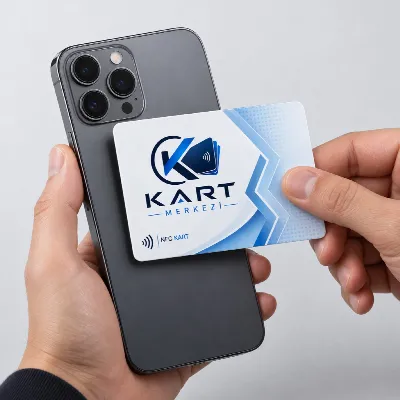
Double-Sided Printed NFC Card
Blank NFC Card
Would you like support with this?
Let's determine the right card type together and send you a sample.